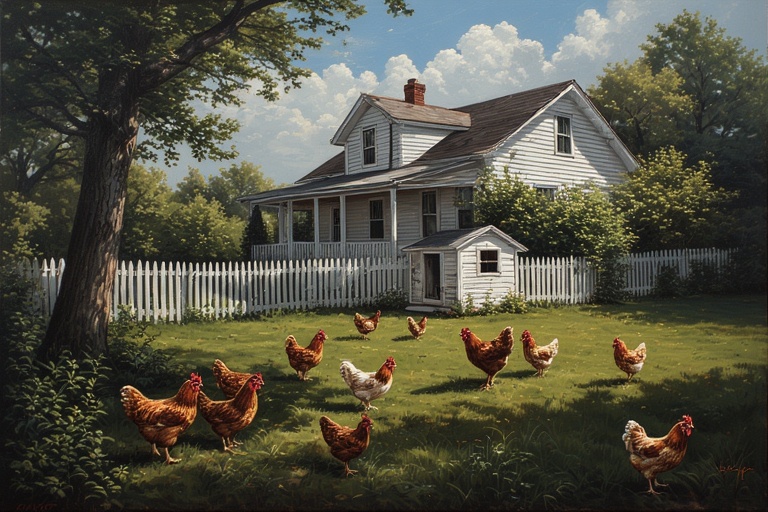
For decades, chickens have been a part of life in Millsboro. Legally allowed since 1972, they’ve provided more than fresh eggs—they’ve offered families food security, self-sufficiency, and a connection to our community’s heritage..
Now, some Town Council members are questioning this long-standing tradition. Mary D-Silva, a current Town Council member, campaigned on addressing “kitchen-table quality-of-life issues,” making this an important local conversation for families and residents alike.1
Even Delaware’s state bird, the Blue Hen carries historical significance, linked to Revolutionary War, soldiers nicknamed them “Caldwell’s Gamecocks.” Keeping chickens isn’t just about eggs and our health —it’s about preserving a piece of our past and protecting a way of life. 2, 3
‘Join the Flock’ Today!
Add ‘Your Voice’ to the petition to ‘Keep Chickens Legal’ in Millsboro.
Every signature helps protect this beloved tradition and ensures that backyard chickens remain part of our community for generations to come.
We, the People of the Town of Millsboro, present to the town Council our
PETITION
WE, the people of the Town of Millsboro, the undersigned, do hereby petition the , as a body politic incorporate, to refrain from any changes or alterations to the current code §52-12 Poultry houses; domestic fowl, or enacting any ordinance or regulation prohibiting maintaining domestic chickens or poultry flocks, including roosters who insure future healthy chicks, protect flocks and properties within the town limits, for the following reasons:
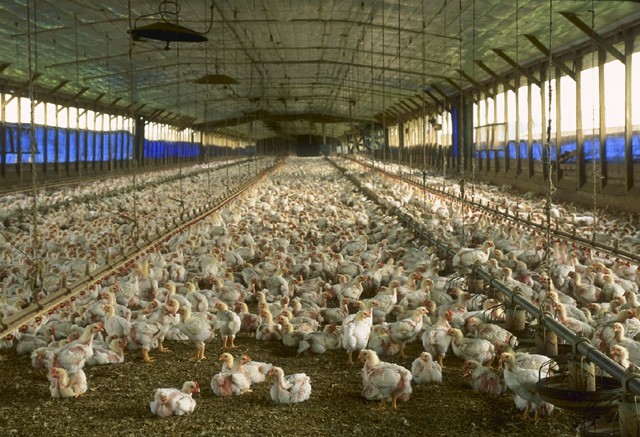
Quality eggs, environmental & health benefits versus big box stores’ factory production sources especially those with inhumane, unethical animal welfare methods which are taxpayer supported
Access to alternative food supply in times of emergencies including but not limited to issues such as supply-chains, diseases, health, lock-downs, government actions, production costs and regulations insuring Food-Security
The current code aligns with community interests and changes are unnecessary or would be overly restrictive on our independence by elimination of our ability to be self-sufficient.
The Supreme Court has addressed the issue of regulatory agencies and their authority to enforce regulations in our Republic.
The Court has held that agencies must adhere to certain procedural requirements, including the necessity of legislative approval for significant regulations in some contexts.
Legislative Basis: Agencies derive their regulatory powers from enabling legislation passed by Congress or state legislatures. This legislation often outlines the broad authority granted to the agency.
Judicial Oversight
Court Rulings: The Supreme Court has ruled that agencies cannot enforce rules that are deemed significantly impactful without congressional or legislative backing. This ensures that there is accountability and representation in the regulatory process.
Major Questions Doctrine
Recent Developments: In recent years, the Court has invoked the “major questions doctrine,” indicating that agencies may have limited authority to regulate major issues unless explicitly authorized by Congress.
Consequences of Non-Compliance
Rule Validity: If an agency enacts a rule without proper legislative authority, such rules may be challenged and potentially invalidated in court.
This interplay between legislation and agency regulation is crucial, as it aims to maintain the balance of power and uphold accountability in the regulatory process.
Chevron Deference Overturned: The ruling in Loper Bright Enterprises v. Raimondo marked a significant shift by rejecting the Chevron doctrine, which previously allowed courts to defer to reasonable agency interpretations of ambiguous statutes. This decision empowers courts to interpret laws themselves, potentially increasing scrutiny of agency regulations.
Challenges to Longstanding Regulations: The Corner Post ruling opens the door for challenges to older regulations by clarifying how and when claims against federal actions under the APA can be made. This could lead to more judicial reviews of established rules.
Major Questions Doctrine: Both West Virginia v. EPA and Biden v. Nebraska illustrate the Court’s emphasis on the major questions doctrine, which requires clear congressional authorization for agencies to regulate significant political and economic issues. This doctrine limits agency power considerably, necessitating explicit guidelines from Congress before agencies can act.
These rulings collectively signal a potential change in how regulatory power is balanced between legislative intentions and agency actions, encouraging more robust Congressional oversight.
Recent Supreme Court decisions have significantly impacted the authority of regulatory agencies, emphasizing the need for legislative backing when agencies claim powers over major issues.
Here are key examples from 2023 and early 2024:
Key Supreme Court Cases
Case Name
Date Decided
Summary
Decision Link
Loper Bright Enterprises v. Raimondo
June 28, 2024
Overturned the Chevron deference doctrine, indicating that courts must independently interpret statutes without deferring to agencies.
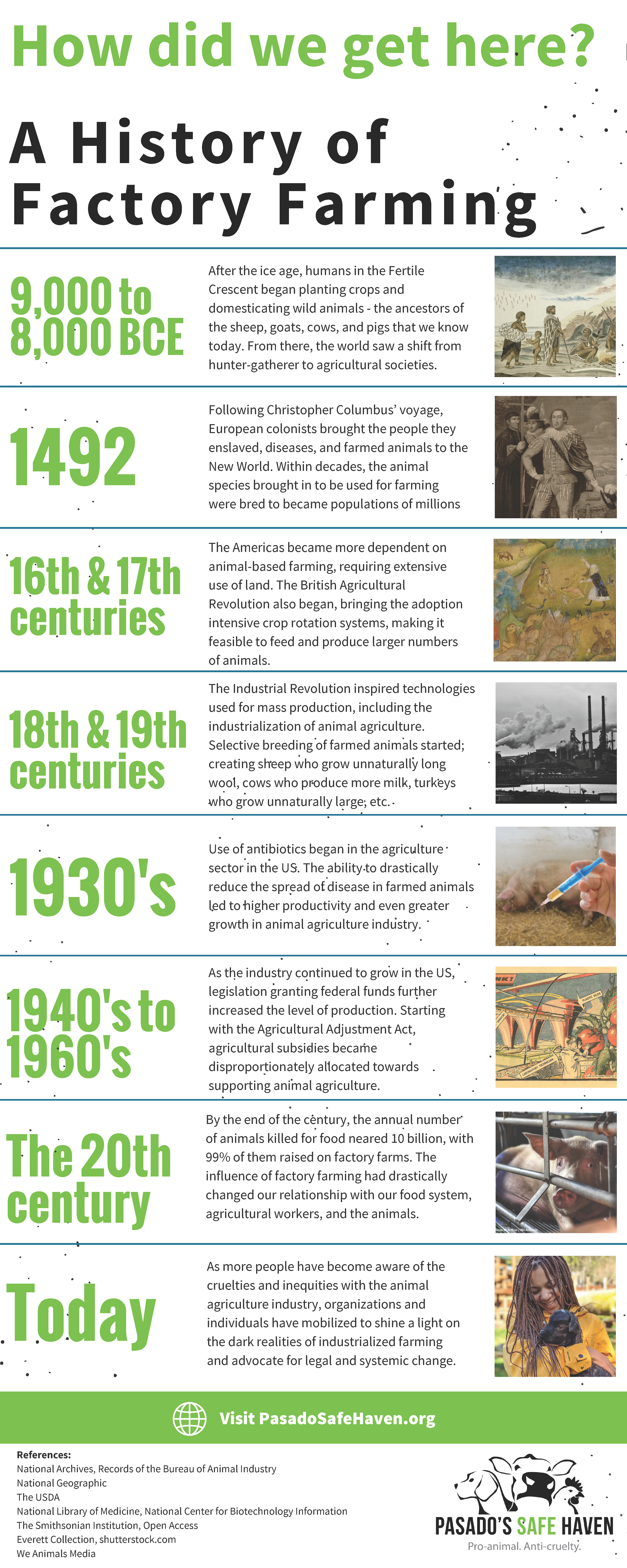
Pasado’s Safe Haven provides summaries of each era leading to Factory Farming and its dark realities.
Dependency on animal-based farming did lead to the adoption of intensive crop rotations which which are great for nature and better production.
Man-made manipulation of nature’s animals were implemented for greater production or supply, and bigger profits.
This led to wide spread use of antibiotics in the 1930’s to reduce the spread of disease in Factory Farmed animals.
20th Century Factory Farms drastically changed our food and was subsided by taxpayers!
Post-World War II, the period after World War II which concluded September 2, 1945 after Japan formally surrendered. This period led toshifts in culture, including the rise of consumerism and new social movements.
Antibiotics not only had a dramatic impact on human medicine, but also on food production.
On farms, whaling and fishing fleets, as well as, in processing plants and aquaculture operations, antibiotics were used to treat and prevent disease, increase feed conversion and preserve food. Rapid diffusion into nearly all areas of food production and processing was initially viewed as a story of progress on both sides of the Iron Curtain.